
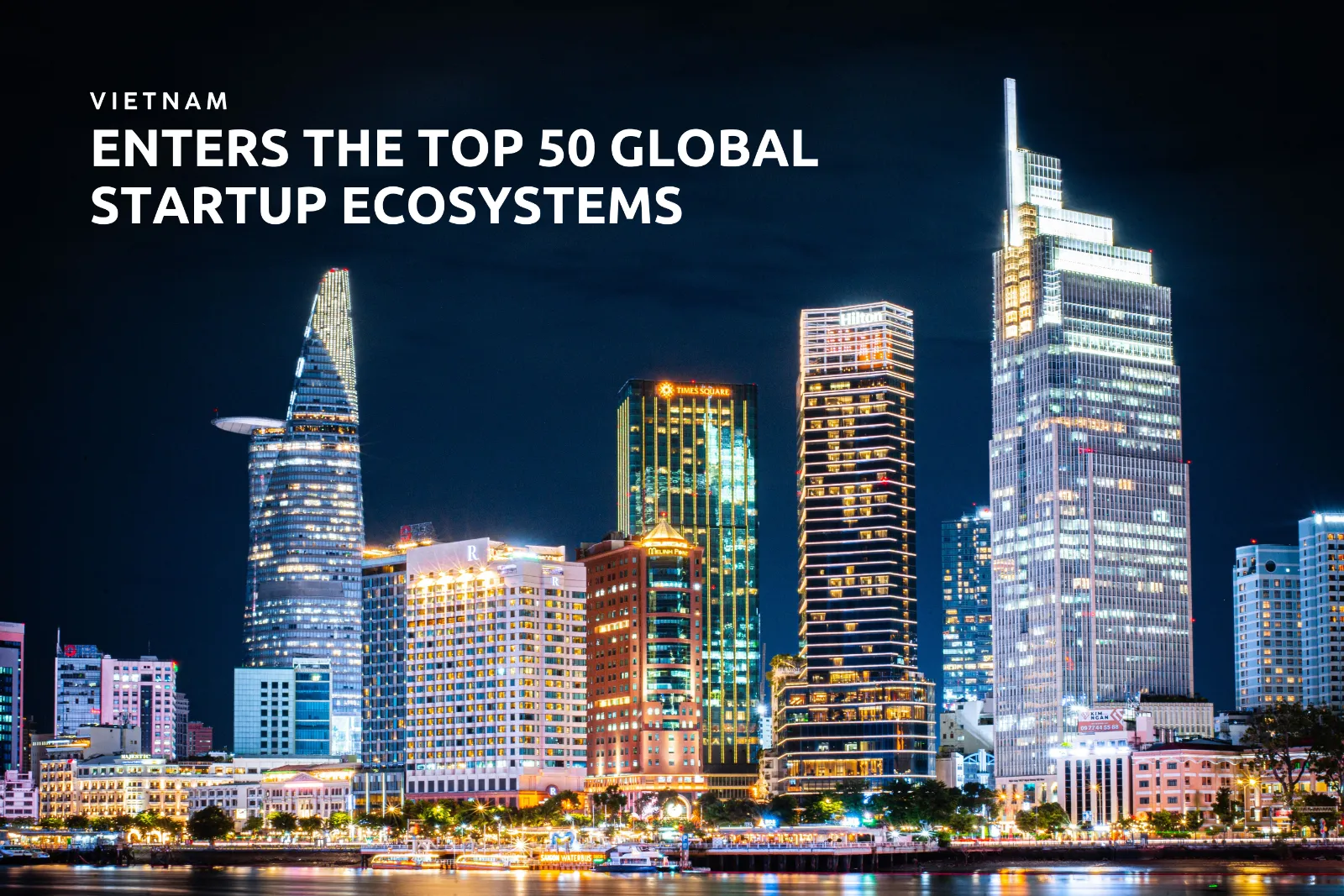
The report highlights that Vietnam's startup ecosystem now includes approximately 4,000 startups, 208 investment funds, 84 incubators, and more than 20 startup support organizations, with an estimated ecosystem value of USD 75 billion. These figures demonstrate that a solid foundation has been established. At the same time, they raise a more important question: how can Vietnam transform this early momentum into long-term competitiveness and foster technology enterprises capable of creating differentiated value and thriving in an increasingly competitive global market?
Experts suggest that the next stage of growth will require stronger support mechanisms for emerging technologies and innovative business models. These include controlled testing environments for new technologies, adequate resources for early-stage technology ventures, and a regulatory framework that can adapt to the rapid pace of technological change. More importantly, stronger collaboration among universities, research institutes, businesses, and policymakers will be essential to bridge the gap between research and application, and between laboratories and the marketplace.
In this context, research universities are playing an increasingly important role in generating new knowledge and technologies for the economy. Emerging fields such as artificial intelligence, semiconductors, biotechnology, and green transformation all depend heavily on research and development activities. The ability to translate research outcomes into products, services, and technology-based enterprises will be a key factor shaping the competitiveness of Vietnam's innovation ecosystem in the years ahead.
As the Technology Gateway of Vietnam National University Ho Chi Minh City (VNUHCM), VNUHCM Innovation Hub (VIH) serves as a connector between research capabilities, industry needs, and innovation support resources at both national and international levels. Through expert networking, applied research collaboration, support for technology-based startups and spin-offs, and the development of strategic partnerships, VIH aims to bring research outcomes closer to real-world applications while creating opportunities for innovative ideas to generate long-term value for society.
Vietnam's entry into the Top 50 global startup ecosystems is not only an achievement worth celebrating, but also a strong signal that the country possesses significant opportunities to transform its strengths in talent, research, and innovation into new drivers of growth. As universities, research institutions, businesses, and policymakers become more closely connected within a collaborative ecosystem, Vietnam is well positioned to nurture technologies and enterprises that can leave a meaningful mark on the global innovation landscape.